
Introduction
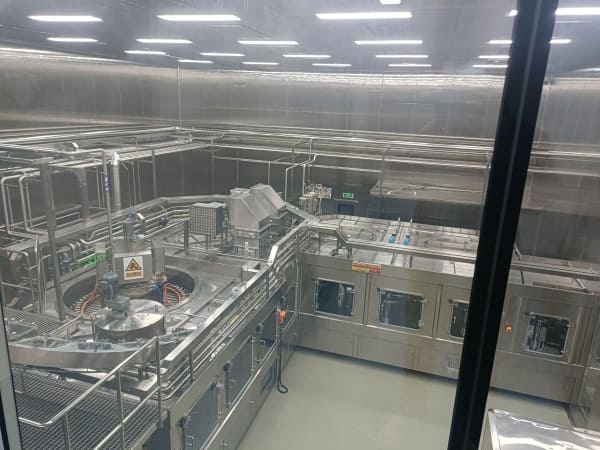
Aseptic filling technology is an important solution for modern beverage and liquid food manufacturers that require high product safety, stable quality, and extended shelf life.
Unlike traditional filling methods, an aseptic filling system combines product sterilization, packaging sterilization, and controlled filling conditions to prevent microbial contamination after processing.
With the growing demand for products such as juice beverages, dairy drinks, plant-based beverages, coffee drinks, and functional beverages, reliable aseptic filling equipment has become increasingly important for manufacturers.
However, even advanced systems may experience operational problems caused by equipment conditions, process parameters, packaging materials, or maintenance issues.
Understanding common failures and their solutions helps manufacturers reduce downtime, improve production efficiency, and maintain consistent product quality.
How Does an Aseptic Filling System Work?
Product Sterilization
Before filling, the product is treated through an appropriate sterilization process to reduce microorganisms and achieve required safety standards.
Common methods include:
- Heat treatment
- Ultra-high temperature (UHT) processing
- Other validated sterilization technologies
The selected sterilization method depends on:
- Product characteristics
- Shelf-life requirements
- Production standards
Packaging Sterilization
Packaging materials and containers must be sterilized before filling.
Proper packaging sterilization helps maintain the sterile barrier and reduces contamination risks during production.
The process depends on:
- Bottle material
- Packaging design
- Production requirements
Aseptic Filling and Sealing
After sterilization, the product enters the filling area under controlled conditions.
The filling system ensures:
- Accurate filling volume
- Stable production conditions
- Secure package sealing
A reliable sealing process is essential to protect product quality throughout storage and transportation.
Why Do Aseptic Filling Problems Occur?
Aseptic filling problems may result from multiple factors, including:
- Equipment component wear
- Incorrect process settings
- Packaging defects
- Insufficient cleaning or sterilization
- Sensor or control system issues
- Operator errors
In many cases, one problem may affect another stage of production.
For example, a sealing failure can damage package integrity and weaken the sterile barrier, increasing contamination risks.
Therefore, effective troubleshooting requires identifying the root cause rather than only correcting the visible symptom.
Common Aseptic Filling Problems and Solutions
1. Product Contamination Risk
Possible Causes:
- Incomplete sterilization
- Damaged sterile barriers
- Poor hygiene control
- Incorrect operating procedures
Recommended Checks:
- Review sterilization records
- Check environmental conditions
- Inspect critical sterile components
2. Package Leakage
Possible Causes:
- Damaged sealing parts
- Incorrect sealing parameters
- Packaging quality problems
Recommended Checks:
- Inspect sealing components
- Verify sealing settings
- Test package integrity
3. Incorrect Filling Volume
Possible Causes:
- Sensor deviation
- Pressure fluctuation
- Unstable product flow
Recommended Checks:
- Calibrate sensors
- Check filling valves
- Verify product pressure
4. Foaming or Filling Blockage
Possible Causes:
- Product characteristics
- Unstable flow conditions
- Blocked filling channels
Recommended Checks:
- Check product conditions
- Inspect filling paths
- Clean affected components
5. Mechanical or Control System Faults
Possible Causes:
- Component aging
- Sensor failure
- Incorrect control parameters
Recommended Checks:
- Review alarm records
- Check electrical components
- Verify system settings
A Practical Troubleshooting Process
A systematic troubleshooting process helps operators identify problems quickly and avoid repeated failures.
Production should not restart simply because a fault disappears. The equipment condition and product safety must be confirmed first.
Step 1: Control Immediate Risks
Actions:
- Stop affected production
- Isolate potentially affected products
- Record alarms and abnormal conditions
Purpose:
Prevent further impact on product safety.
Step 2: Identify the Root Cause
Check:
- Sterilization conditions
- Filling parameters
- Sealing performance
- Equipment status
The goal is to determine the real reason behind the failure.
Step 3: Apply Corrective Actions
Possible solutions include:
- Adjusting verified parameters
- Cleaning equipment components
- Replacing damaged parts
- Correcting operating procedures
Step 4: Verify Before Restarting
Before restarting production:
- Confirm equipment operation
- Check package integrity
- Complete required verification procedures
Production should resume only after confirming that the system meets safety requirements.
Preventive Maintenance for Aseptic Filling Equipment
A structured maintenance program is essential for stable operation of an aseptic filling machine.
Regular maintenance should include:
Component Inspection
Check:
- Filling valves
- Sealing systems
- Sensors
- Moving parts
Process Monitoring
Monitor:
- Filling pressure
- Product flow
- Sterilization parameters
- Equipment alarms
Cleaning and Sterilization Management
CIP (Clean-in-Place) removes product residues and deposits from equipment surfaces.
SIP (Sterilization-in-Place) focuses on microbial control and sterilization.
Although both are important, they serve different purposes and should follow validated procedures.
How to Choose Reliable Aseptic Filling Equipment?
When investing in an aseptic filling line, manufacturers should consider more than equipment cost.
Important factors include:
Technical Experience
Choose a supplier with experience in:
- Beverage production systems
- Aseptic filling technology
- Different packaging formats
Complete Turnkey Capability
A professional supplier should provide support including:
- Process design
- Equipment manufacturing
- Installation
- Commissioning
- Operator training
Long-Term Technical Support
Reliable suppliers should provide:
- Maintenance guidance
- Spare parts support
- Troubleshooting assistance
Choosing the right aseptic filling equipment manufacturer can help reduce production risks and improve long-term operational stability.
Zhongyilong Aseptic Filling Solution
Zhongyilong provides complete beverage production solutions for manufacturers requiring reliable and efficient aseptic processing.
The solutions include:
- PET aseptic filling lines
- Beverage filling systems
- Sterilization solutions
- Complete turnkey beverage production lines
With professional engineering support and project experience, Zhongyilong helps beverage manufacturers build stable production systems from design to commissioning.
Summary
Aseptic filling troubleshooting requires systematic analysis of sterilization, filling, sealing, and equipment operation.
Common problems such as contamination, leakage, filling errors, and mechanical faults can be reduced through preventive maintenance, process monitoring, and professional technical support.
For beverage manufacturers, selecting reliable aseptic filling equipment and an experienced turnkey solution provider is essential for achieving stable production, product safety, and long-term efficiency.
FAQ
What is aseptic filling?
Aseptic filling is a process that fills sterilized products into sterilized containers under controlled conditions to prevent contamination.
What are the most common problems in aseptic filling systems?
Common problems include contamination, package leakage, filling errors, foaming, blockage, and equipment control failures.
How can I reduce aseptic filling machine downtime?
Regular maintenance, operator training, process monitoring, and root-cause analysis can help reduce unexpected downtime.
What products can use aseptic filling technology?
Aseptic filling technology is commonly used for:
- Juice beverages
- Dairy drinks
- Plant-based beverages
- Coffee drinks
- Functional beverages
How do I choose an aseptic filling equipment supplier?
Choose a supplier with beverage industry experience, turnkey project capability, technical support, and reliable after-sales service.