
Choosing the right juice filling machine is an important decision when planning a commercial beverage production line.
Hot filling uses elevated temperatures to support product and package sterilization, while aseptic filling separates product sterilization, package sterilization, and filling under controlled sterile conditions.
The right technology depends on factors such as:
- Juice acidity and formulation
- Required shelf life
- Bottle material
- Production capacity
- Target market
- Investment budget
- Packaging requirements
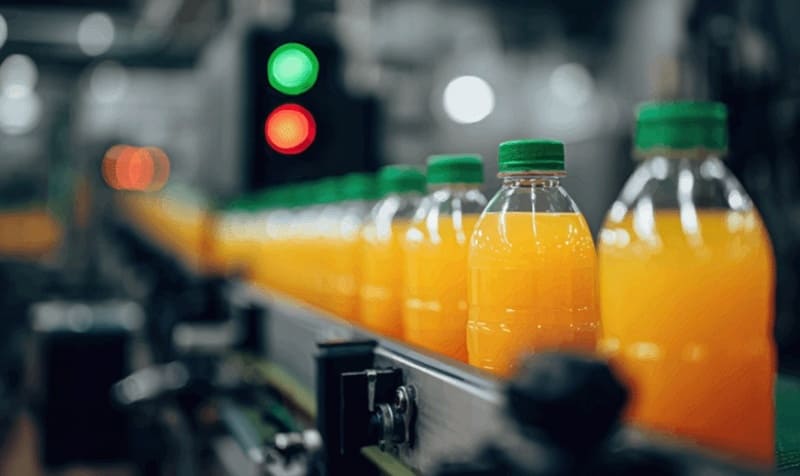
What Is a Hot Juice Filling Machine?
A hot juice filling machine is designed to fill processed juice into containers at elevated temperatures. Typical hot filling temperatures are often around 85°C to 95°C, depending on the beverage formulation, process design, and required thermal treatment.
The heated product and suitable container treatment help reduce microbial risks. Hot filling is commonly used for acidic fruit beverages and other products that are compatible with thermal processing.
Unlike aseptic filling, hot filling does not require the entire filling process to take place inside a fully sterile environment.
How Does a Hot Juice Filling Machine Work?
A typical hot filling process includes several stages.
1. Product Heating
The juice is heated to the required processing temperature using a pasteurization or heat-exchange system.
2. Hot Filling
The heated juice is transferred into bottles through a suitable filling system, such as gravity or controlled-pressure filling.
3. Capping
The bottle is sealed shortly after filling to reduce the risk of contamination.
4. Bottle Inversion
For some products and process designs, filled and capped bottles may be inverted briefly. This can help expose the internal cap area to the hot product.
5. Cooling
The filled bottles pass through a cooling system or cooling tunnel. The temperature is gradually reduced to protect product quality and minimize the risk of bottle deformation.
The exact process parameters should be determined according to the beverage formulation, bottle material, and validated production process.
Typical Applications of Hot Filling
Hot filling is commonly considered for products such as:
- Mango juice
- Litchi juice
- Citrus beverages
- Fruit drinks
- Tea beverages
- Other suitable high-acid beverages
For products with a pH below 4.5, hot filling can be an effective processing and packaging approach when the complete thermal process is properly designed and validated.
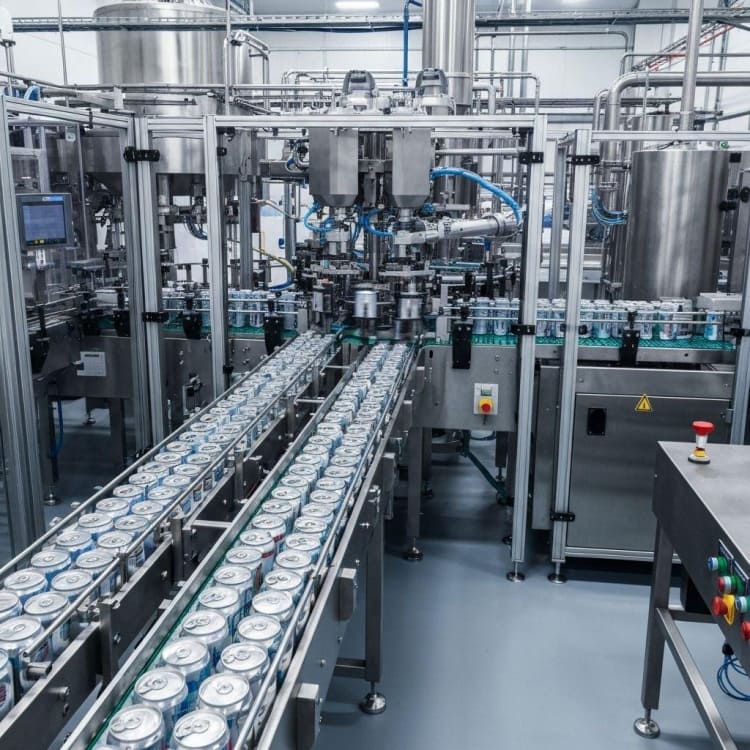
Key Features of Hot Filling Systems
A hot filling line may include:
- 3-in-1 rinsing, filling, and capping equipment
- Heat-resistant PET bottles
- Juice pasteurization or heating equipment
- Bottle inversion equipment
- Cooling tunnel
- Labeling and packaging equipment
Hot filling technology has a relatively mature process structure and can be a practical option for manufacturers producing acidic fruit beverages.
What Is an Aseptic Juice Filling Machine?
An aseptic juice filling machine is designed to fill commercially sterilized beverages into sterilized containers under controlled aseptic conditions.
Unlike conventional hot filling, aseptic processing separates the sterilization of the product and packaging from the final filling operation.
The beverage can be cooled before filling, allowing manufacturers to avoid exposing the finished product and lightweight packaging to the same high filling temperatures used in hot filling.
How Does an Aseptic Juice Filling Machine Work?
A typical aseptic juice production process may include the following stages.
1. UHT or Other Suitable Product Sterilization
The beverage is treated using an appropriate thermal process, such as Ultra High Temperature (UHT) treatment, according to the product formulation and validated process.
2. Bottle and Cap Sterilization
The packaging components are sterilized using an appropriate sterilization method. Hydrogen peroxide is one commonly used technology, although the exact method depends on the equipment and packaging system.
3. Aseptic Filling
The sterilized beverage is transferred into sterilized containers inside a controlled aseptic filling environment.
4. Sterile Sealing
The container is capped or sealed while maintaining the required hygienic and aseptic conditions.
Because the product is filled after the main thermal treatment, aseptic technology can provide greater flexibility for certain beverage formulations and lightweight packaging formats.
Typical Applications
Aseptic juice filling systems are commonly considered for:
- Low-acid beverages
- Fruit and vegetable beverages
- Dairy-based drinks
- Plant-based beverages
- Functional beverages
- Premium and export-oriented products
Aseptic processing can provide extended ambient shelf life when the product, packaging, sterilization process, and filling environment are properly designed and validated.
Hot Filling vs. Aseptic Filling: Technical Comparison
Understanding the difference between these technologies is essential when selecting a juice filling production line.
Filling Temperature
Hot filling:
The beverage is filled at an elevated temperature, commonly around 85–95°C depending on the product and process.
Aseptic filling:
The sterilized beverage is filled at a lower or ambient temperature inside a controlled aseptic environment.
Bottle Requirements
Hot filling requires packaging materials that can withstand the thermal conditions of the process. Heat-resistant PET bottles are therefore commonly used.
Aseptic filling can allow lighter packaging because the bottle does not need to withstand the same high filling temperature.
However, the final bottle design must still meet the mechanical, thermal, barrier, and shelf-life requirements of the product.
Shelf Life
Hot filling can provide extended shelf life for suitable acidic beverages when the thermal process and packaging system are properly designed.
Aseptic filling can provide extended ambient shelf life for a broader range of beverages, including some low-acid products.
Shelf life is not determined by filling technology alone. Product formulation, sterilization, packaging barrier properties, storage conditions, and process validation all affect the final result.
Product Compatibility
Hot filling is particularly suitable for many acidic fruit beverages, including products such as mango and litchi juice.
Aseptic technology offers broader product flexibility and can be used for certain low-acid, dairy-based, plant-based, and functional beverages.
Equipment Complexity
Hot filling systems generally have a simpler production structure.
A typical line may combine juice processing, filling, capping, bottle inversion, cooling, labeling, and packaging.
Aseptic systems are more technically complex. They require controlled sterile zones, package sterilization, sterile product handling, and precise environmental management.
Energy Requirements
Hot filling requires energy for product heating and subsequent cooling.
Aseptic systems also consume energy for product sterilization, packaging sterilization, air treatment, and environmental control.
Therefore, energy consumption should be evaluated based on the complete production line rather than the filling machine alone.
Hot Filling vs. Aseptic Filling: Investment and Operating Costs
Cost is another important consideration when selecting a juice filling technology.
Initial Equipment Investment
A hot filling juice production line generally requires a lower initial investment than a comparable aseptic system.
This can make hot filling attractive for startups and manufacturers producing high-acid fruit beverages.
An aseptic juice filling line normally requires a higher capital investment because of its sterilization systems, aseptic filling equipment, controlled environment, and more demanding process requirements.
Operating Costs of Hot Filling
Hot filling may involve:
- Thermal energy consumption
- Cooling water requirements
- Heat-resistant packaging
- Regular cleaning and maintenance
The actual operating cost depends on production capacity, product formulation, energy prices, bottle design, and line configuration.
Operating Costs of Aseptic Filling
Aseptic systems may require:
- Product sterilization systems
- Packaging sterilization systems
- Air filtration and environmental control
- Sterile process management
- Specialized maintenance and technical support
Although the initial investment can be higher, aseptic technology may provide commercial advantages for products requiring extended ambient shelf life or more flexible product formulations.
Production Line Configuration
The equipment required for a hot filling line differs significantly from that of an aseptic production line.
Typical Hot Filling Line
A hot juice production line may include:
- Juice processing system
- Pasteurization or heating system
- Bottle rinsing and filling system
- Capping system
- Bottle inversion unit
- Cooling tunnel
- Labeling machine
- Coding equipment
- Secondary packaging equipment
Typical Aseptic Filling Line
An aseptic juice production line may include:
- Juice processing system
- UHT or sterilization system
- Aseptic buffer system
- Bottle sterilization unit
- Cap sterilization system
- Aseptic filling machine
- Controlled sterile chamber
- Labeling and packaging equipment
Aseptic lines generally require more sophisticated infrastructure and stricter process management.
Advantages and Disadvantages
Hot Juice Filling Machine
Advantages
- Lower initial investment for many applications
- Mature and widely used technology
- Relatively straightforward line structure
- Suitable for many acidic fruit beverages
- Practical for mango, litchi, and similar juice products
Disadvantages
- Mainly suited to products compatible with hot filling
- Requires heat-resistant packaging
- Heating and cooling increase thermal energy requirements
- High processing temperatures can affect some heat-sensitive products
Aseptic Juice Filling Machine
Advantages
- Suitable for a wider range of beverage formulations
- Can be used for certain low-acid beverages
- Supports lightweight packaging options
- Can provide extended ambient shelf life when properly validated
- Suitable for premium and export-oriented beverage products
Disadvantages
- Higher initial investment
- More complex equipment and process control
- More demanding sterilization management
- Requires specialized technical support and maintenance
How to Choose Between Hot Filling and Aseptic Filling
There is no universal answer to which technology is better. The correct choice depends on the specific production project.
Consider the following factors:
Product Characteristics
Is the beverage a high-acid fruit juice, low-acid drink, dairy beverage, plant-based drink, or functional beverage?
Shelf-Life Requirements
Determine whether the product needs refrigerated distribution or extended ambient shelf life.
Packaging
Consider whether you plan to use conventional heat-resistant PET, lightweight PET, glass, or another packaging format.
Production Capacity
Define the required bottles per hour and expected future production volume before selecting the filling system.
Target Market
Domestic distribution and premium export markets may have different packaging and shelf-life requirements.
Investment Budget
Compare not only the purchase price but also installation, utilities, packaging materials, maintenance, and long-term operating costs.
Product Quality
Some fruit juices contain heat-sensitive flavors, colors, nutrients, or other components. The processing method should therefore be selected with the product formulation and desired quality in mind.
Hot Filling or Aseptic Filling: Which Is Better?
For manufacturers primarily producing high-acid fruit juices, a hot filling solution can offer a practical balance between equipment investment, production efficiency, and process simplicity.
For manufacturers producing low-acid, dairy-based, plant-based, or more sensitive beverage products, an aseptic filling system may provide greater process and packaging flexibility.
The best solution should be selected after evaluating the product formulation, required shelf life, packaging material, production capacity, target market, and total investment.
For a new juice production project, it is often more effective to evaluate the complete processing and filling line rather than choosing the filling machine separately.
Conclusion
Hot filling and aseptic filling are both established technologies for commercial beverage production, but they serve different production needs.
A hot juice filling machine is often a practical choice for suitable acidic fruit beverages and can offer a relatively simple and cost-effective production solution.
An aseptic juice filling machine provides a more controlled sterile filling process and can support a wider range of beverage applications, including certain low-acid and dairy-based products.
The right choice ultimately depends on product characteristics, filling temperature, packaging requirements, shelf-life targets, production capacity, investment budget, and market strategy.
Frequently Asked Questions
What is the difference between hot filling and aseptic filling?
Hot filling fills the beverage at an elevated temperature, while aseptic filling sterilizes the product and packaging separately and fills the product under controlled sterile conditions.
Which is better for mango juice?
Mango juice can be produced using hot filling when the product formulation and acidity are suitable for the process. The final technology should be selected based on the juice formulation, bottle material, shelf-life target, and production requirements.
Can aseptic filling be used for low-acid beverages?
Yes. Aseptic processing is commonly considered for suitable low-acid beverages, including certain dairy-based, plant-based, and functional drinks. These applications require appropriate sterilization and aseptic process control.
Is hot filling cheaper than aseptic filling?
Hot filling generally requires a lower initial equipment investment for comparable applications. Aseptic systems typically require more sophisticated sterilization and environmental control equipment, resulting in higher capital costs.
Does hot filling require special PET bottles?
Yes. PET bottles used for hot filling generally need to be designed to withstand the thermal conditions of the filling and cooling process.
Which technology provides longer shelf life?
Both technologies can provide extended shelf life when correctly designed and validated. Aseptic processing can support extended ambient shelf life across a broader range of products, but actual shelf life depends on formulation, sterilization, packaging, and storage conditions.
Can a juice filling machine be customized for different products?
Yes. Juice production lines can be configured according to product formulation, bottle size, filling volume, production capacity, and required processing technology. For multiple products, the complete line should be planned around the compatibility of the different formulations.